Welcome to the wonderful world of Turkish cuisine! In this step-by-step guide, we will show you how to create a mouthwatering and flavorful dish that is a staple of Turkish cuisine: Turkish rice with orzo.
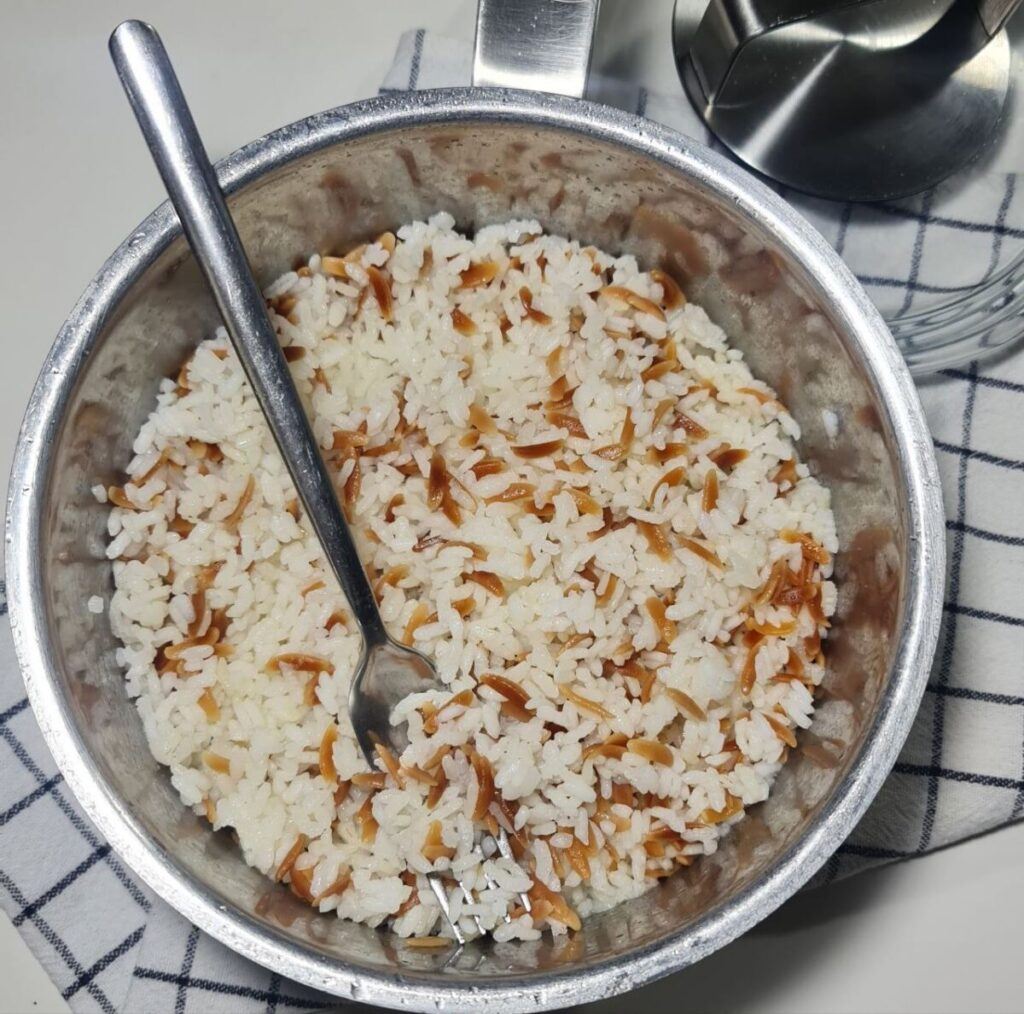
Turkish cuisine is renowned for its rich flavors and unique combinations of ingredients. The use of spices, herbs, and fresh produce create a delightful explosion of taste in every bite. And Turkish rice with orzo is no exception.
Whether you are a beginner in the kitchen or a seasoned cook looking to expand your culinary repertoire, this step-by-step guide will help you master the art of making flavorful Turkish rice with orzo. So, grab your apron and get ready to embark on a culinary adventure through the vibrant flavors of Turkish cuisine. Let’s get cooking!
History and significance of Turkish rice with orzo
Turkish rice with orzo, known as “şehriyeli pilav” in Turkish, has a long history in Turkish cuisine. Rice has been a staple food in Turkey for centuries, and the addition of orzo pasta brings a unique texture and flavor to the dish.
This dish holds a special place in Turkish culture and is often served at family gatherings, weddings, and other festive occasions. The combination of rice and orzo represents unity and harmony, symbolizing the coming together of different elements to create something beautiful.
Ingredient Notes for Turkish Rice with Orzo
To make flavorful Turkish rice with orzo, you will need the following ingredients:
- Rice Selection: Opt for a high-quality, long-grain rice variety such as Basmati or Jasmine. The elongated grains contribute to the dish’s light and fluffy texture.
- Orzo Quality: Choose a good-quality orzo pasta for the best results. Look for orzo with a slightly rough texture, as it tends to absorb flavors well during toasting.
- Olive Oil Excellence: Select extra virgin olive oil for its rich, fruity flavor. This choice not only adds depth to the dish but also contributes heart-healthy monounsaturated fats.
- Water-to-Rice Ratio Precision: Achieving the perfect texture requires precision in the water-to-rice ratio. The suggested 1 1/2 cups of water for every cup of rice ensures a balance that results in fluffy, well-cooked grains.
- Optional Additions and Variations: Feel free to experiment with additional ingredients such as pine nuts, dried fruits, or aromatic spices like cumin. These optional additions can bring unique layers of flavor to your Turkish Rice with Orzo.
- Toasting Technique: Toasting the orzo in olive oil before adding the rice is a critical step. This process enhances the nutty flavor of the orzo, contributing to the overall taste profile of the dish.
- Rinsing Ritual: Rinsing the rice under cold water until it runs clear is a crucial step to remove excess surface starch. This prevents the rice from becoming overly sticky during cooking, ensuring a light and fluffy outcome.
- Fresh Lemon Zest (Optional): For a citrusy twist, consider adding a hint of fresh lemon zest to the dish before serving. This optional addition brightens the flavors and complements the overall aromatic profile.
- Adjusting Seasoning: Taste the dish as it cooks and adjust the seasoning as needed. The beauty of Turkish Rice with Orzo lies in its adaptability, allowing you to tailor it to your personal flavor preferences.
These ingredient notes are designed to guide you through the nuances of each component, ensuring that your Turkish Rice with Orzo is not just a dish but a culinary masterpiece. Experiment, savor, and enjoy the journey of creating this timeless Turkish delight.
Tips for achieving the perfect texture and flavor
While Turkish rice with orzo is delicious on its own, you can also customize the dish to suit your preferences. Here are a few variations and additions you can try:
- Add diced vegetables such as carrots, peas, or bell peppers for a colorful and nutritious twist.
- Stir in cooked chickpeas or for added protein and heartiness.
- Sprinkle chopped fresh herbs like parsley or dill over the cooked rice for a burst of freshness.
- Squeeze some lemon juice over the rice before serving for a tangy and refreshing flavor.
Feel free to get creative and experiment with different flavors and ingredients. Turkish cuisine is all about embracing versatility and personal taste!
Serving suggestions and pairings
Turkish rice with orzo is a versatile dish that can be served as a main course or as a side dish alongside other Turkish delicacies. Here are a few serving suggestions and pairings to inspire you:
- Pair it with a refreshing salad of tomatoes, cucumbers, and vegan feta cheese for a light and summery combination.
- Enjoy it alongside traditional Turkish mezes (appetizers) such as hummus, baba ganoush, or stuffed grape leaves for a flavorful and diverse spread.
No matter how you choose to serve it, Turkish rice with orzo is sure to be a crowd-pleaser!
Equipment for Turkish Rice with Orzo
- Medium-Sized Pot with Lid: (here) A medium-sized pot with a tight-fitting lid is essential for cooking the rice and orzo to perfection.
- Wooden Spoon or Spatula: (here) Use a wooden spoon or spatula for stirring the rice and orzo, ensuring even toasting and cooking.
- Measuring Cups and Spoons: (here) Accurate measurements are crucial for the water-to-rice ratio. Have measuring cups for rice and water, and spoons for orzo and olive oil.
- Fluffing Fork or Spoon: (here) A fork or spoon for fluffing the cooked rice and orzo helps maintain the individual grains’ integrity.
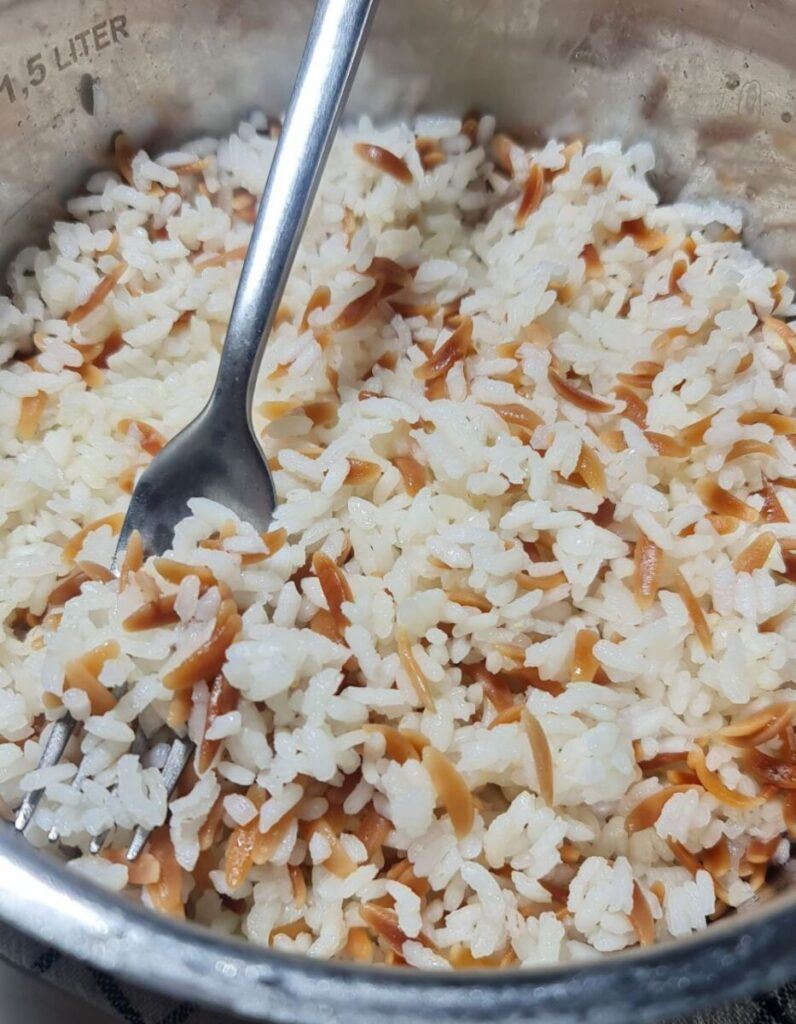
Congratulations! You have successfully mastered the art of making flavorful Turkish rice with orzo. This delightful dish is a testament to the vibrant flavors and unique combinations that Turkish cuisine has to offer.
Whether you are cooking for yourself, your family, or friends, Turkish rice with orzo is sure to impress. The fragrant aromas, fluffy rice, and chewy orzo will transport you to the bustling streets of Istanbul or the tranquil shores of the Mediterranean.
So, put on your apron, gather your ingredients, and embark on a culinary adventure through the flavors of Turkey. Take your taste buds on a journey they won’t soon forget. Enjoy!
More recipe ideas:

Turkish Rice with Orzo
Immerse yourself in the captivating world of Turkish cuisine with our exquisite Turkish Rice with Orzo recipe. This timeless dish, known as "Şehriyeli Pilav" in Turkish, harmoniously combines the simplicity of rice with the delightful twist of orzo pasta. The result is a symphony of textures and flavors that will transport your taste buds to the heart of Turkey. Each spoonful is a journey through tradition, offering a perfect balance of nutty orzo, fluffy rice, and aromatic olive oil.
Ingredients
- 1 cup long-grain rice (Basmati or Jasmine)
- 3 tbsp orzo pasta
- 2 tbsp extra virgin olive oil
- Salt to taste
- 1 1/2 cups water
Instructions
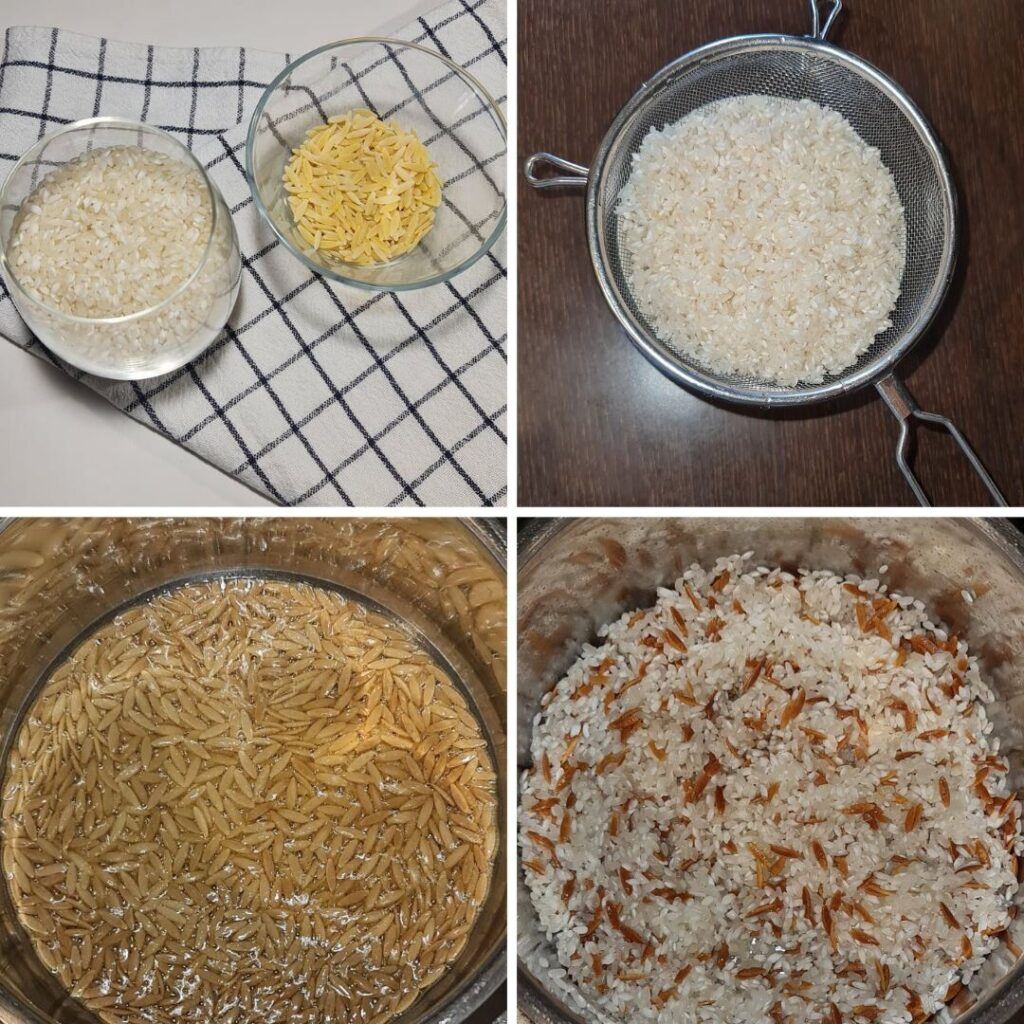
- Place the rice in a fine-mesh sieve or rice rinser. Rinse the rice under cold water until the water runs clear, removing excess starch.
- In a medium pot, heat olive oil over medium heat. Add orzo and toast until golden brown, stirring frequently.
- Add rinsed rice to the pot with toasted orzo. Stir well to coat the rice and orzo with olive oil.
- Pour 1 1/2 cups of water into the pot. Season with salt to taste.
- Bring the mixture to a boil, then reduce the heat to low. Cover the pot with a tight-fitting lid and let it simmer for 15-20 minutes or until the rice is tender and water is absorbed.
- Optional Additions (if desired) In the last few minutes of cooking, add optional ingredients like pine nuts, dried fruits, or a pinch of cumin for extra flavor.
- Once cooked, fluff the rice with a fork or spoon. Optionally, sprinkle fresh lemon zest for a burst of citrusy freshness.
- Savor the aromatic and flavorful Turkish Rice with Orzo as a perfect accompaniment to stews, or as a stand-alone dish. Each bite is a celebration of Turkish culinary heritage.
Notes
- For a zesty twist, consider adding fresh lemon zest just before serving. The citrusy aroma will not only add brightness to the dish but also complement the earthy flavors of the orzo and rice. Adjust the quantity to your liking for a delightful burst of freshness.
- Embrace creativity by experimenting with optional additions like pine nuts, dried fruits, or a pinch of cumin. These elements can elevate the dish, adding layers of complexity and personalizing it to suit your taste preferences.
- Take your time when toasting the orzo in olive oil. A golden brown color indicates a rich, nutty flavor that enhances the overall taste of the dish. Be attentive to prevent burning and achieve the perfect toasting balance.