
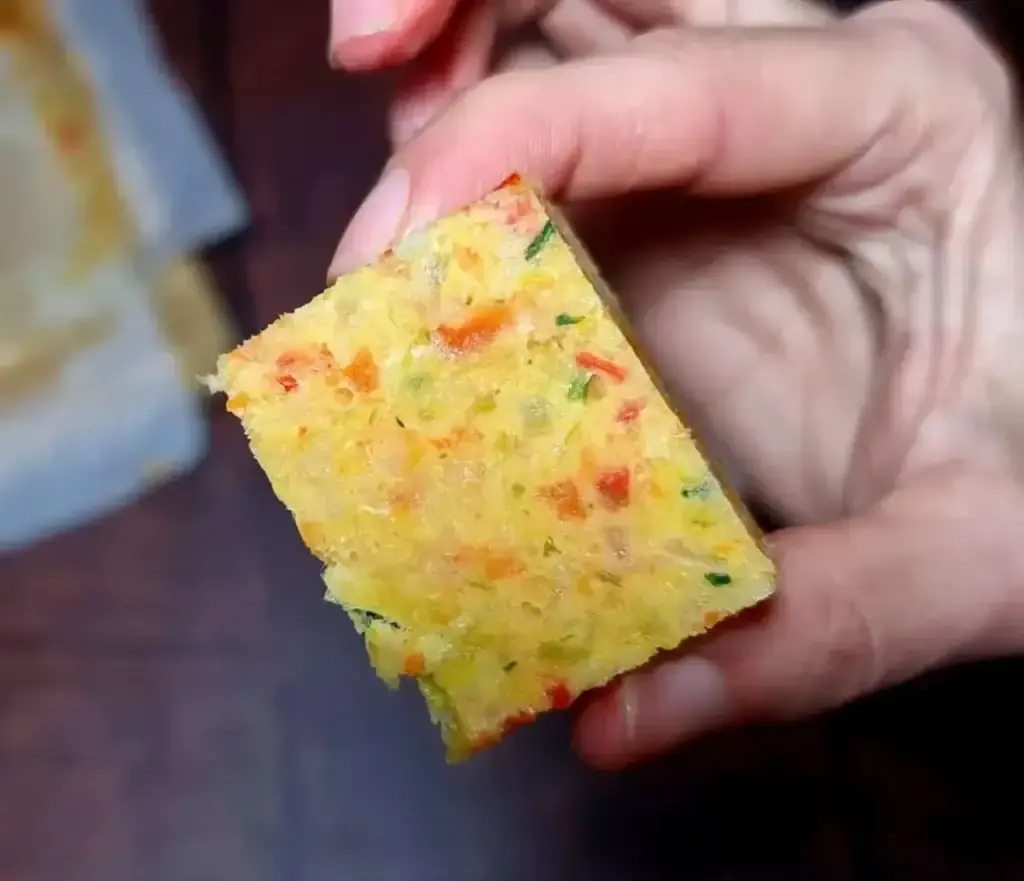
Store-bought bouillon cubes and canned vegetable broths are convenient, but they often come loaded with hidden preservatives, MSG, excessive sodium, and artificial food colorings. What if you could capture the pure, vibrant essence of fresh garden vegetables into concentrated, ready-to-use portions right in your own freezer?
Enter these Homemade Vegetable Broth Cubes! Using a wholesome blend of carrots, sweet leeks, onions, garlic, celery, red bell pepper, parsnips, fresh turmeric root, and parsley, this zero-waste recipe requires just 15 minutes of chopping and 30 minutes of sautéing. Simply blend, freeze in a flat dish, cut into cubes, and wrap them in foil. Whenever a recipe calls for vegetable broth, just drop a cube into boiling water and watch it melt into liquid gold!
Why This Recipe Works: The Food Science Behind Concentrated Broth Cubes
Have you ever wondered how to make homemade veggie stock cubes or what not to put in vegetable broth? Mastering the best vegetable broth cube recipe comes down to three fascinating food science principles:
- Moisture Evaporation & Flavor Concentration (Sautéing Mechanics): To turn vegetables into a concentrated paste that holds its flavor when diluted in water, you must first drive out excess water. Sautéing chopped carrots, leeks, onions, bell peppers, and parsnips in olive oil for 30 minutes triggers the Maillard reaction and caramelization—concentrating natural plant sugars and savory umami compounds into a thick, paste-like consistency.
- Fresh Turmeric Bioavailability & Curcumin: Including a 1-inch piece of fresh turmeric root (or ground turmeric) imparts a gorgeous golden hue while delivering natural curcumin—a potent anti-inflammatory antioxidant. Pairing turmeric with a touch of black pepper or healthy olive oil in your cooking maximizes its absorption by your body!
- Cell-Wall Breakdown (Blender Emulsification): Blending the cooked, softened vegetables into a smooth purée breaks down rigid plant cell walls, releasing natural starches and soluble fibers that help the frozen cube dissolve evenly into hot water without leaving gritty residue.
Why You Will Love This Recipe
- Zero Artificial Additives: Completely free of MSG, artificial preservatives, and mystery chemicals.
- Extremely Versatile & Convenient: Drop a cube into soups, stews, risottos, or use it to steam grains like quinoa and rice for instant flavor.
- Freezer-Friendly Meal Prep: Stores safely in the freezer for up to 6 months so you always have rich vegetable stock on hand.
- Zero-Waste Kitchen Hack: A fantastic way to utilize leftover garden vegetables or root produce before they soften in your fridge.
Ingredient Notes & Substitutions
Wondering what you need for healthy homemade vegetable broth cubes? Here is our foolproof checklist:
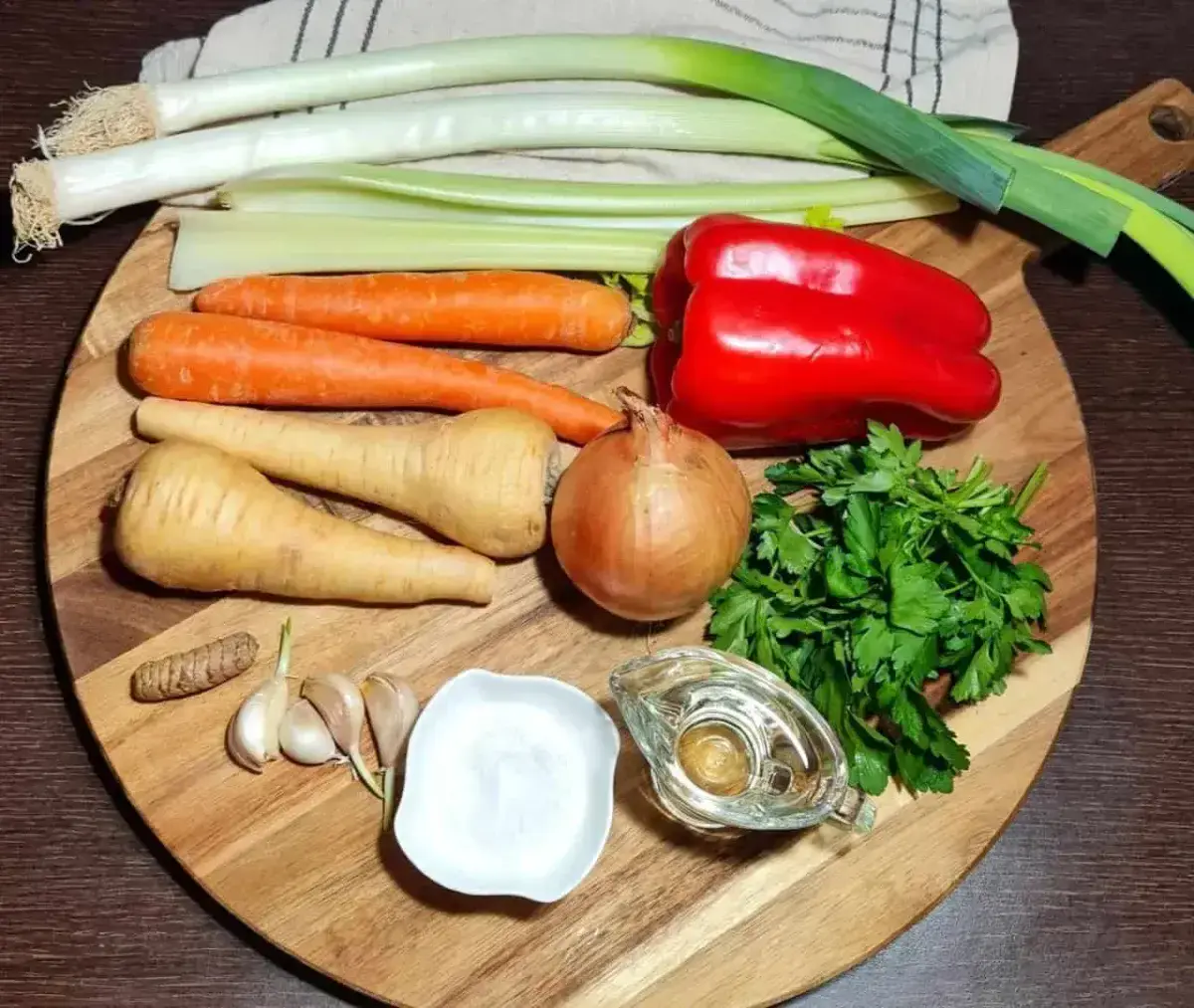
| Ingredient | Amount | Notes & Substitutions |
| Carrots & Parsnips | 2 carrots + 2 parsnips (peeled & chopped) | Root vegetables provide an earthy, naturally sweet foundation for the broth. |
| Leeks & Onion | 2 leeks + 1 onion (cleaned & chopped) | Sweet alliums (Allium family) build deep, savory aromatic depth. (Make sure leeks are washed well to remove sand!). |
| Garlic & Celery | 4 garlic cloves + 2 celery stalks | Classic savory base ingredients for rich, authentic vegetable stock. |
| Red Bell Pepper | 1 red bell pepper (chopped) | Adds subtle sweetness and rich red carotenoid pigments. |
| Fresh Turmeric Root | 1-inch piece (peeled & chopped) | Imparts a vibrant golden-yellow color and powerful anti-inflammatory benefits. (Sub 1 tsp ground turmeric if fresh root isn’t available). |
| Fresh Parsley | ¼ cup (chopped) | Adds a clean, herbal freshness at the end of blending. |
| Olive Oil & Salt | 1 tbsp olive oil + 1 ½ tsp salt | Olive oil aids in sautéing and flavor extraction, while salt acts as a natural preservative and flavor enhancer. |
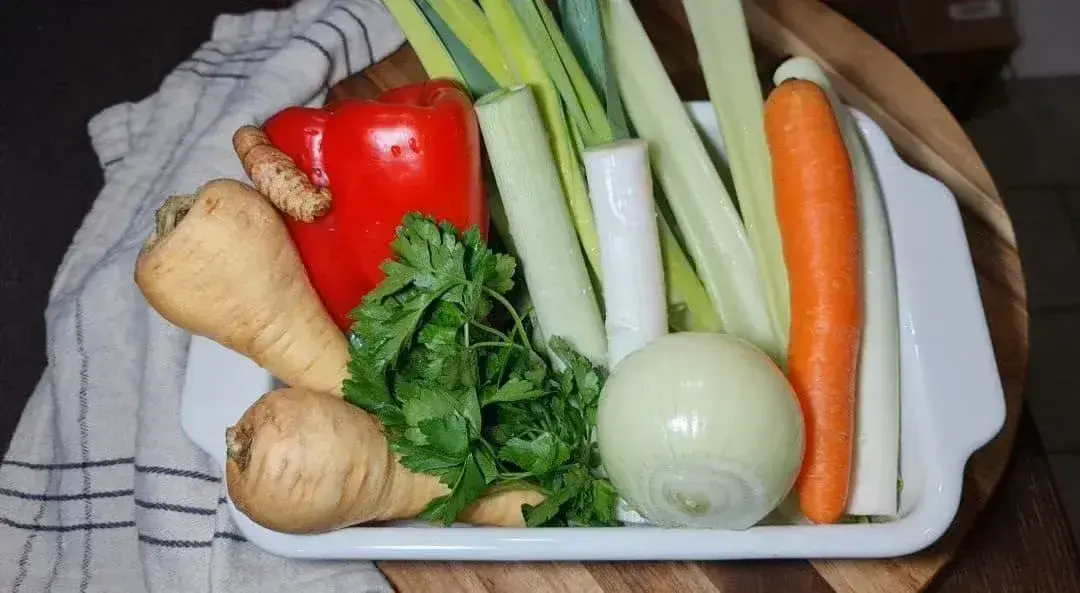
1. Cruciferous vegetables (Broccoli, Brussels sprouts, cabbage, cauliflower): When simmered or concentrated for too long, they release overpowering sulfur compounds that turn the broth bitter and sulfurous.
2. Starchy vegetables with skins left on (Unpeeled potatoes or beet skins): Potato skins and beet peels can make broth cloudy, earthy, and muddy in color.
3. Excessive salt or herbs like rosemary: Strong woody herbs like rosemary can easily dominate the entire flavor profile if overused. Stick to balanced roots and alliums!
How to Make Homemade Vegetable Broth Cubes (Step-by-Step)
Step 1: Prep & Chop All Vegetables Wash and peel your carrots, parsnips, and onion. Chop the carrots, leeks, onion, celery, red bell pepper, and parsnip into small, uniform pieces. Peel and chop the fresh turmeric root and mince the garlic cloves. Chop the fresh parsley and set it aside.
Step 2: Sauté the Vegetable Medley Heat 1 tablespoon of olive oil in a large pan or Dutch oven over medium heat. Add the chopped carrots, leeks, onion, garlic, celery, red bell pepper, parsnips, and turmeric. Sauté the vegetables for about 30 minutes, stirring occasionally, until they soften completely, caramelize slightly, and become intensely fragrant.
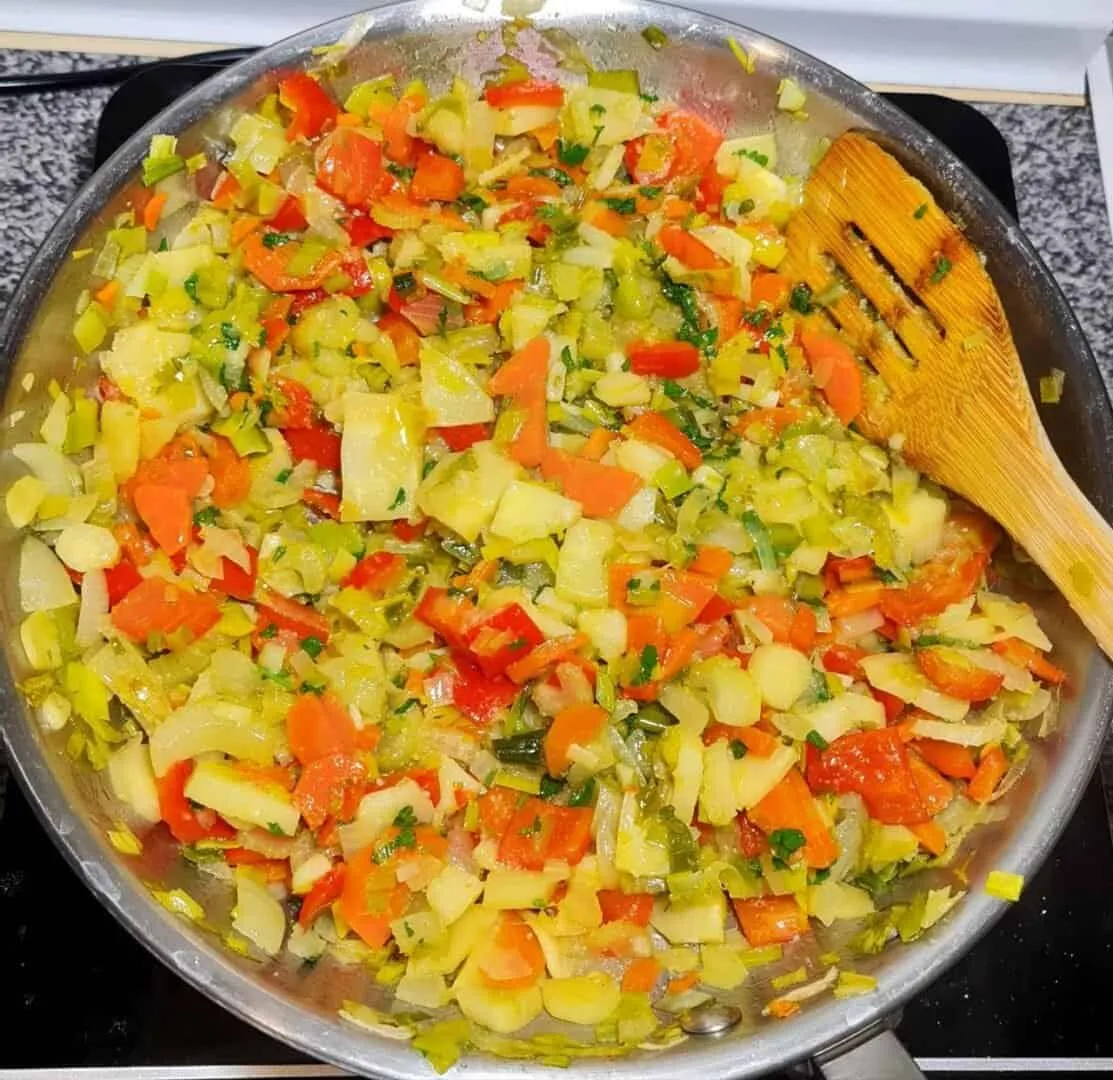
Step 3: Blend into a Smooth Purée Transfer the sautéed vegetable mixture directly into a high-speed blender or food processor. Add 1 ½ teaspoons of salt and the chopped fresh parsley. Blend on high until completely smooth and creamy. (Tip: If the mixture is too thick for your blender blades to spin, add 2 to 3 tablespoons of water to help create a smooth paste).
Step 4: Spread in a Dish & Freeze Solid Line a small baking dish, glass container, or rimmed baking tray with parchment paper. Pour the blended vegetable paste into the dish and spread it into an even, flat layer (about ½-inch to 1-inch thick). Place the dish in the freezer for at least 4 to 6 hours until fully frozen solid.

Step 5: Cut into Cubes & Wrap Once frozen, lift the solid vegetable block out of the dish using the edges of the parchment paper. Place it on a cutting board and use a sharp chef’s knife to cut the block into small, uniform squares or cubes.
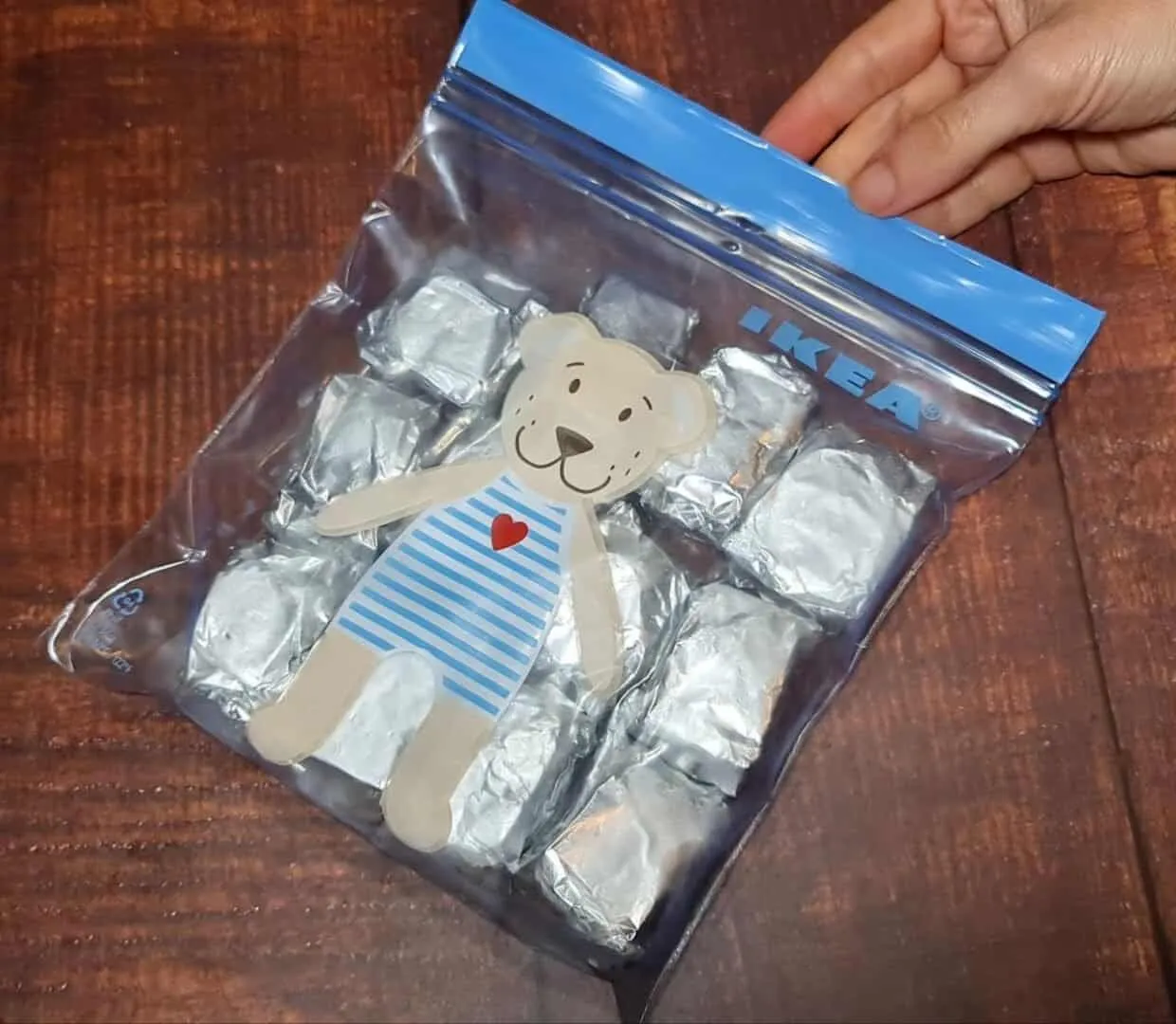
Step 6: Wrap, Store & Enjoy! Wrap each individual broth cube tightly in small squares of aluminum foil or parchment paper to prevent freezer burn and lock in freshness. Store the wrapped cubes inside a large ziplock bag or airtight container in the freezer for up to 6 months!
Tips and Tricks for Success
- Individual Foil Wrapping is Key: Taking the extra 5 minutes to wrap each frozen cube in foil prevents freezer odors from seeping in and keeps your bouillon tasting garden-fresh for 6 months.
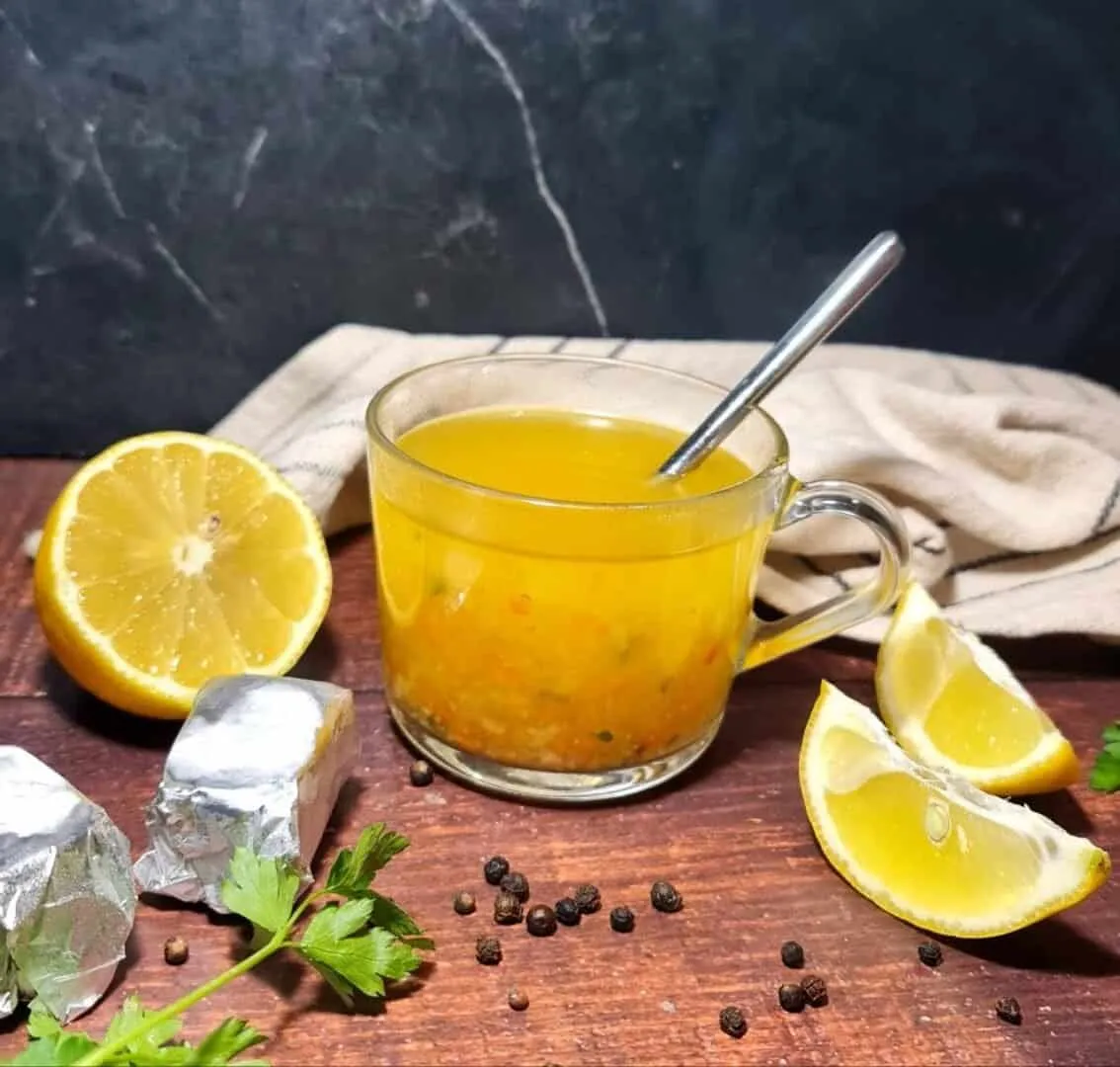
- How to Use Your Cubes: Drop 1 frozen broth cube into 2 cups of boiling water and stir for 1 minute until completely dissolved to create an instant, flavorful vegetable stock!
- Adjusting Sodium Levels: This recipe uses a moderate 1 ½ teaspoons of salt. If you prefer low-sodium broths, feel free to reduce the salt or omit it entirely when blending.
Variations and Add-Ins
Want to customize your veggie stock cubes? Try these delicious upgrades:
- Herbes de Provence Twist: Add 1 tablespoon of dried thyme, oregano, and basil during the sautéing stage for a French bistro flavor profile.
- Spicy Chili Kick: Toss in 1 chopped jalapeño or a pinch of red pepper flakes if you want your broth cubes to impart a spicy warmth to soups and noodle dishes.
- Mushroom Umami Boost: Add ½ cup of chopped button or shiitake mushrooms to the pan when sautéing for an earthy, meaty depth of flavor.
Scaling for Big Batch Meal Prep
- Double or Triple the Batch: Easily double or triple the vegetable quantities in a large stockpot to make 24 to 36 freezer cubes at once—perfect for stocking your kitchen for the entire winter season!
Storage & Freezing Instructions
- Freezer Storage: Keep wrapped cubes in an airtight container or ziplock bag in the freezer for up to 6 months.
- Refrigerator (Short Term): Alternatively, you can store the un-frozen blended vegetable paste in a sealed glass jar in the refrigerator for up to 1 week and spoon it out as needed.
What to Serve or Cook With Vegetable Broth Cubes
Use your homemade broth cubes to elevate these delicious recipes:
- Hearty Chickpea Spinach Soup
- Creamy Smoked Paprika Sweet Potato Soup
- Creamy Potato Leek Soup
- 30-Minute Roasted Vegetable Quinoa Bowl
Frequently Asked Questions (FAQ)
Is vegetable broth good for losing weight?
Yes! Vegetable broth is exceptionally low in calories (about 10–15 calories per cup) and high in hydration, making it a wonderful tool for weight management, intermittent fasting, and satisfying savory cravings without consuming excess fats or carbs.
Is homemade vegetable broth healthy?
Homemade vegetable broth is significantly healthier than store-bought alternatives because it contains zero chemical preservatives, artificial flavors, or excessive sodium, allowing you to reap the pure vitamin and antioxidant benefits of fresh vegetables.
How many calories are in 4 cups of vegetable broth?
Four cups of homemade vegetable broth contain approximately 40 to 60 calories total, depending on the exact vegetables and amount of olive oil used in the recipe.
Is it healthy to drink vegetable broth every day?
Yes, drinking a warm cup of vegetable broth daily is a healthy habit that supports hydration, provides trace minerals and electrolytes, and supplies soothing warmth, provided your sodium intake is kept at a balanced level.
What not to put in vegetable broth?
Avoid adding cruciferous vegetables (like broccoli, cabbage, and Brussels sprouts which turn bitter), unpeeled starchy potatoes (which make broth cloudy), or overpowering woody herbs like excessive rosemary.
Will I lose weight if I just drink broth?
While an all-liquid broth diet will result in rapid initial weight loss due to low calorie intake, it is not nutritionally sustainable or healthy long-term. Broth is best used as a healthy, flavorful component of a balanced, whole-food diet rather than a sole meal replacement.
More Healthy Kitchen Staples & Basics
- 10-Minute Beetroot Hummus Recipe
- 15-Minute Stovetop Candied Pecans
- How to Cook Green Beans Perfectly

Let’s Connect!
Did you make these Homemade Vegetable Broth Cubes? Leave a comment and a 5-star rating below—I love hearing how your meal prep turns out!
If you snap a photo of your golden frozen cubes wrapped in foil, tag me on Instagram at @healthy.living.enthusiast.
📌 Pin this recipe to your Meal Prep Hacks, Homemade Kitchen Staples, or Zero-Waste Cooking board on Pinterest so you can find it easily!

Get This Recipe In Your Inbox
We’ll send it right away, plus fresh healthy recipe inspiration every week!

Homemade Vegetable Broth Cubes
Ingredients
Method
- Step 1 (Prep Veggies): Wash and peel all vegetables. Chop the carrots, leeks, onion, garlic, celery, red bell pepper, and parsnip into small uniform pieces. Peel and chop the turmeric root. Set chopped parsley aside.
- Step 2 (Sauté): Heat olive oil in a large pan over medium heat. Add the carrots, leeks, onion, garlic, celery, red bell pepper, parsnip, and turmeric. Sauté for about 30 minutes, stirring occasionally, until soft, caramelized, and fragrant.
- Step 3 (Blend): Transfer the sautéed vegetables to a blender or food processor. Add the salt and chopped parsley. Blend until smooth and creamy (add 2–3 tbsp water if the mixture is too thick to spin).
- Step 4 (Freeze): Line a small baking dish or tray with parchment paper. Pour the blended mixture into the dish and spread evenly into a flat layer. Place in the freezer for at least 4–6 hours until fully frozen.
- Step 5 (Cut & Wrap): Remove the frozen block from the freezer, lift out using the parchment paper, and cut into small cubes using a sharp knife. Wrap each cube tightly in foil to prevent freezer burn.
- Step 6 (Store): Store the wrapped cubes in a ziplock bag or airtight container in the freezer for up to 6 months! (Dissolve 1 cube in 2 cups boiling water to make instant broth).
Video
Notes
- Sautéing is Essential: Sautéing the vegetables for 30 minutes drives out moisture and caramelizes natural plant sugars, concentrating the umami flavor.
- Foil Wrapping: Wrapping individual cubes in small squares of foil prevents freezer odors and preserves garden-fresh flavor for months.
- Zero-Waste Tip: This is a wonderful way to use up leftover root vegetables and alliums sitting in your crisper drawer!